


Scleral Contact Lenses in Copperas Cove, TX
When conventional contact lenses don't provide the clarity or comfort you need, specialty lenses may offer another option. VIEW Cove provides scleral contact lens evaluations and fittings for patients with certain corneal conditions, irregular vision, or difficulty wearing standard contacts.
A Different Approach to Contact Lens Comfort & Clarity
If your vision stays blurry with regular glasses or contacts, or you've struggled to wear conventional lenses comfortably, you may wonder whether there are other options. For some patients, scleral lenses provide an alternative worth exploring.
Our Copperas Cove optometrist evaluates your vision, corneal health, and individual needs to determine whether scleral contact lenses may be appropriate. We take the time to explain how these lenses work, discuss the fitting process, and help you understand what to expect from specialty contact lens wear.

Visit Us Today

Visit Our Location
What Are Scleral Contact Lenses?
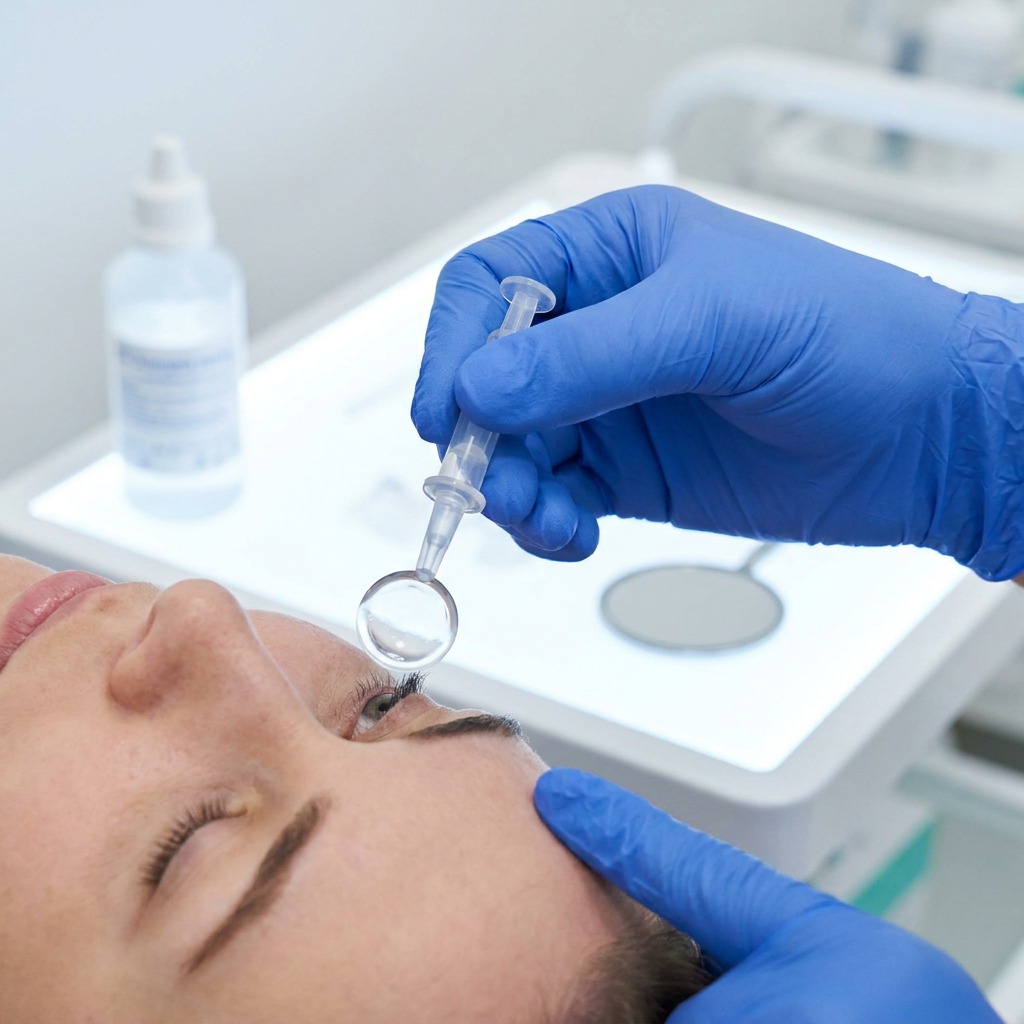
Scleral contact lenses are larger specialty contact lenses designed to rest on the sclera, the white part of your eye, rather than directly on the cornea. Unlike conventional soft contact lenses, scleral lenses vault over the cornea, creating a space between the lens and the eye's surface. Before insertion, sterile, preservative-free saline fills this space.
The fluid reservoir and smooth optical surface may help improve vision for patients with irregular corneas while supporting comfort for certain ocular surface conditions. Scleral lenses are made from rigid, oxygen-permeable materials and require specialized measurements, fitting, and ongoing care.
Scleral Lenses vs. Regular Contact Lenses
Traditional soft contact lenses rest directly on the cornea and generally follow its shape. Scleral lenses are larger and designed to rest on the less sensitive scleral tissue while vaulting over the cornea.
Their design can benefit patients whose corneal shape makes conventional lenses difficult to fit.
The fluid reservoir beneath the lens may also help protect the ocular surface and maintain lubrication during wear.
However, scleral lenses require a different insertion, removal, and cleaning routine than standard soft contacts.
Who May Benefit from Scleral Contact Lenses?
Scleral lenses can help with several vision and eye health concerns, especially when conventional correction doesn't provide adequate results.
Keratoconus
Keratoconus causes the cornea to thin and develop an irregular shape, which can lead to blurry or distorted vision. As the condition progresses, glasses and conventional contact lenses may no longer provide adequate correction. Scleral lenses create a smooth optical surface over the irregular cornea, which may improve visual clarity for suitable patients.
Irregular Corneas
Corneal irregularities can develop because of certain eye conditions, injuries, or previous procedures. When the cornea's surface is uneven, light may not focus properly, making vision difficult to correct with standard lenses. Scleral lenses may help provide more consistent optical correction by vaulting over the irregular surface.
Severe Dry Eye Disease
Some patients with significant dry eye disease or ocular surface problems may benefit from scleral lenses. The fluid reservoir beneath the lens can help maintain a lubricated environment over the cornea during wear. However, scleral lenses aren't necessary or appropriate for every person with dry eye, and treatment depends on the underlying cause and severity.
Corneal Scarring
Scarring can change the cornea's shape or transparency and affect how clearly light passes through it. For certain patients, scleral lenses may improve vision by creating a smoother refractive surface. The amount of improvement depends on the location and severity of the scarring, along with other eye health factors.
Post-Surgical Corneal Changes
Some patients experience changes in corneal shape after procedures such as corneal transplantation or refractive surgery. When these changes cause irregular vision, specialty contact lenses may be considered. A professional evaluation helps determine whether scleral lenses are appropriate for your corneal condition.
Benefits of Scleral Contact Lenses
Scleral lenses may offer several advantages for eligible patients, depending on their eye health and visual needs.
- Improved visual clarity for certain irregular corneal conditions.
- A smooth optical surface that may reduce some forms of visual distortion.
- A fluid reservoir that can help lubricate the corneal surface.
- Reduced direct contact between the lens and the cornea.
- A potentially more stable fit for some patients with irregular corneas.
- An alternative when conventional glasses or contact lenses provide inadequate correction.
For progressive conditions such as keratoconus, scleral lenses correct vision but don't stop the condition from progressing. You may need additional treatment from a corneal specialist.
How Do You Insert and Remove Scleral Lenses?
Scleral lenses require a different handling technique than conventional soft contact lenses. Before insertion, fill the lens with the recommended sterile, preservative-free saline solution to create a fluid reservoir between the lens and cornea.
Proper insertion helps reduce the likelihood of trapped air bubbles, which can interfere with vision and comfort. Removal typically involves a technique or tool recommended by your eye care team.
Our team can guide safe handling and lens care as part of the fitting process.
You should feel comfortable with the recommended insertion and removal techniques before wearing scleral lenses independently.
Caring for Scleral Lenses
Proper lens care helps reduce the risk of infection, irritation, and other complications.
Follow the specific cleaning, disinfection, and storage instructions provided for your lenses.
General precautions include:
- Wash and thoroughly dry your hands before handling lenses.
- Use only the recommended cleaning and disinfecting products.
- Fill lenses with the appropriate sterile, preservative-free saline before insertion.
- Never use tap water or saliva to clean, rinse, or fill your lenses.
- Follow the recommended wearing schedule.
- Avoid sleeping in scleral lenses unless your eye care professional specifically directs you to do so.
- Replace lens cases and accessories as recommended.
- Stop wearing your lenses and seek professional advice if you develop unusual redness, pain, or vision changes.
Scleral lens care products aren't interchangeable, and you must never place some cleaning or disinfection solutions directly into the eye.
Frequently Asked Questions
Are Scleral Contact Lenses Better Than Regular Contacts?
Not necessarily. Scleral lenses may benefit certain patients with irregular corneas or ocular surface conditions, but conventional contact lenses work well for many people. The best option depends on your eye health, prescription, and individual needs.
Can Scleral Lenses Help with Keratoconus?
Yes. Scleral lenses may improve vision for people with keratoconus by creating a smooth optical surface over the irregular cornea. However, they don't stop keratoconus progression, and some patients may need additional specialist treatment.
Are Scleral Contact Lenses Difficult to Put In?
Scleral lenses require a different insertion and removal technique than conventional soft lenses. Many patients can learn the process with appropriate instruction and practice, although adaptation varies.
How Long Do Scleral Lenses Last?
Scleral lenses are generally reusable and may last longer than many conventional soft lenses. Their lifespan depends on the material, condition, prescription changes, and how you handle and maintain them. Your optometrist can recommend when you need a replacement.
Does Insurance cover Scleral Lenses?
Coverage varies by insurance plan, medical necessity, diagnosis, and other eligibility requirements. Some plans may cover medically necessary specialty contact lenses, while others may exclude them or limit coverage.


Explore a Different Way to See Comfortably
If conventional glasses or contact lenses aren't meeting your vision needs, scleral lenses may offer another option. Schedule an appointment to discuss your vision, comfort, and available options.