

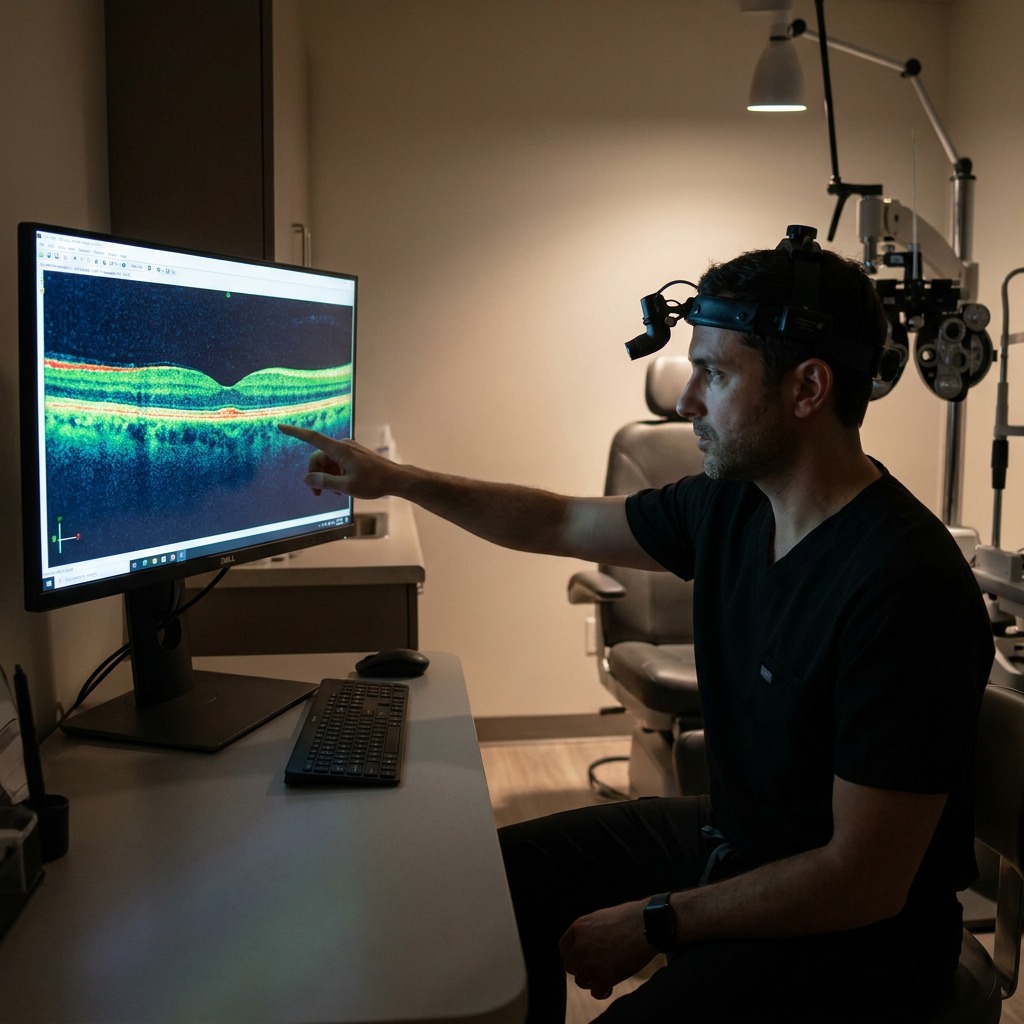

Eye Disease Management in Copperas Cove, TX
Eye conditions can affect your vision in different ways, and some develop without noticeable symptoms. VIEW Cove provides eye disease management to help you monitor your eye health, address medical concerns, and follow appropriate treatment and follow-up care.
Understanding Your Eye Health Is Part of Your Care
Learning that you have an eye condition can bring questions about your vision, treatment options, and what to expect in the future. Having an eye doctor who takes the time to explain your findings can make those decisions easier to understand.
Our Copperas Cove optometrist evaluates and manages a range of eye health concerns, from conditions that require routine monitoring to those needing ongoing medical treatment. We consider your medical history, symptoms, and individual needs when recommending care, and coordinate with ophthalmologists or other specialists when appropriate.

Visit Us Today

Visit Our Location
What Is Eye Disease Management?
Eye disease management involves evaluating, monitoring, and treating conditions that affect your eyes' health and function. Some conditions develop gradually and may not cause noticeable symptoms early on. Others can affect your vision more quickly or require ongoing care to monitor changes and manage potential complications.
Your treatment plan depends on the condition, its severity, your overall health, and other individual factors. At VIEW Cove, we focus on helping you understand your diagnosis, the available treatment options, and the importance of appropriate follow-up care.
Conditions an Optometrist Can Help Manage
Optometrists can evaluate and manage many eye conditions, although some require specialized treatment or surgery from an ophthalmologist. Dr. Micheline D. Young provides medical eye care and helps coordinate additional services when appropriate.
Glaucoma
Glaucoma is a group of eye conditions that damage the optic nerve, which carries visual information from the eyes to the brain.
Many forms of glaucoma develop gradually without noticeable symptoms in their early stages. Over time, the condition can affect peripheral vision and may lead to permanent vision loss.
Treatment aims to reduce the risk of further optic nerve damage, often by lowering eye pressure through medication, laser procedures, or surgery, depending on the individual. VIEW Cove provides glaucoma management and appropriate monitoring based on your examination findings.
Diabetic Eye Disease
Diabetes can affect the blood vessels in the retina, the light-sensitive tissue at the back of your eye. Diabetic retinopathy may develop without noticeable vision changes, particularly in its early stages. As the condition progresses, changes in retinal blood vessels can affect eyesight and may require specialist treatment. Regular eye exams help monitor diabetes-related changes and determine whether you need additional care.
Age-Related Macular Degeneration
Age-related macular degeneration (AMD) affects the macula, the part of the retina responsible for detailed central vision. It may make it harder to read, recognize faces, or see fine details. Some forms progress gradually, while others can change more rapidly and require prompt medical attention.
Your optometrist can evaluate signs of AMD, discuss appropriate monitoring, and coordinate referral to a retinal specialist when necessary.
Cataracts
Cataracts occur when the eye's natural lens becomes cloudy, gradually affecting how clearly you see. Symptoms may include blurry vision, increased glare, difficulty seeing at night, or less vivid colors. In the early stages, updated glasses or lighting changes may help with certain visual difficulties.
When cataracts interfere with everyday activities, doctors may recommend surgery. VIEW Cove offers cataract co-management to help coordinate appropriate care with an ophthalmologist.
What Happens During an Eye Disease Evaluation?
The examination process depends on your symptoms, medical history, and the condition being evaluated. Your optometrist will review your health history, medications, family history of eye disease, and any changes you've noticed in your vision.
Depending on your needs, the evaluation may include:
- Visual acuity testing to assess how clearly you see.
- Eye pressure measurement when appropriate.
- Examination of the retina and optic nerve.
- Assessment of the cornea, lens, and other eye structures.
- Evaluation of peripheral vision when clinically indicated.
- Additional testing or specialist referral based on your findings.
How Are Eye Diseases Treated?
No single treatment approach works for every eye condition. Some conditions can be managed with prescription medications, changes in eye care routines, or regular monitoring. Others may require procedures or surgery performed by an ophthalmologist.
The Type of Eye Condition
Different eye diseases affect different parts of the eye and require different care approaches.
For example, glaucoma treatment often focuses on lowering eye pressure, while dry eye management addresses factors affecting the tear film and ocular surface.
The Severity of the Condition
Some conditions can be monitored without immediate intervention, while others require prompt treatment to reduce the risk of complications. Your examination findings help determine the appropriate level of care.
Your Medical History
Certain health conditions, medications, and individual risk factors can influence your eye health and treatment options. Your optometrist will consider these factors when developing recommendations and coordinating care with other healthcare professionals.
The Need for Specialist Care
Some eye conditions require treatment beyond what an optometry office can provide. When appropriate, VIEW Cove can coordinate referrals to ophthalmologists or other specialists for additional testing, procedures, or surgical care.
Frequently Asked Questions
Can an Optometrist Diagnose Eye Diseases?
Yes. Optometrists are trained to evaluate eye health and diagnose many ocular conditions. Their ability to provide treatment depends on the condition, clinical findings, and applicable scope of practice.
Does Having an Eye Disease Mean I'll Lose My Vision?
Not necessarily. Eye conditions vary considerably in their severity and progression. Some can be managed effectively, while others may cause permanent vision changes. Early evaluation and appropriate treatment can help protect your remaining vision.
Will I Need to See an Ophthalmologist?
That depends on your condition. An optometrist can evaluate and manage many eye health concerns. If you require specialized treatment, surgery, or additional testing, your optometrist can coordinate an appropriate referral.
Can Eye Disease Management Help with Glaucoma?
Yes. Glaucoma management may include monitoring eye pressure, assessing optic nerve health, and discussing treatment options. VIEW Cove provides glaucoma management based on individual clinical needs.
How Often Should I Have My Eyes Examined If I Have an Eye Disease?
Your examination schedule depends on your diagnosis, risk factors, and treatment needs. Some patients require more frequent monitoring than those receiving routine eye care. Your optometrist can recommend an appropriate follow-up schedule.


Your Eye Health Deserves Ongoing Attention
Managing an eye condition often involves more than a single appointment. VIEW Cove provides personalized medical eye care with clear explanations, thoughtful recommendations, and appropriate coordination with specialists. Whether you're monitoring an existing condition or have questions about changes in your vision, we're here to help you understand your next steps.