


Treating Red Eyes in Copperas Cove, TX
Red, irritated eyes can be uncomfortable, and the cause isn't always obvious. At VIEW Cove, we evaluate red-eye symptoms to identify what's happening and recommend appropriate treatment or follow-up care based on your needs.
Red Eyes? Let's Find Out What's Going On
Maybe you woke up with one eye looking unusually red, noticed irritation after wearing contact lenses, or have been dealing with redness that won't go away. While some causes of red eyes are relatively minor, others may require prompt medical attention.
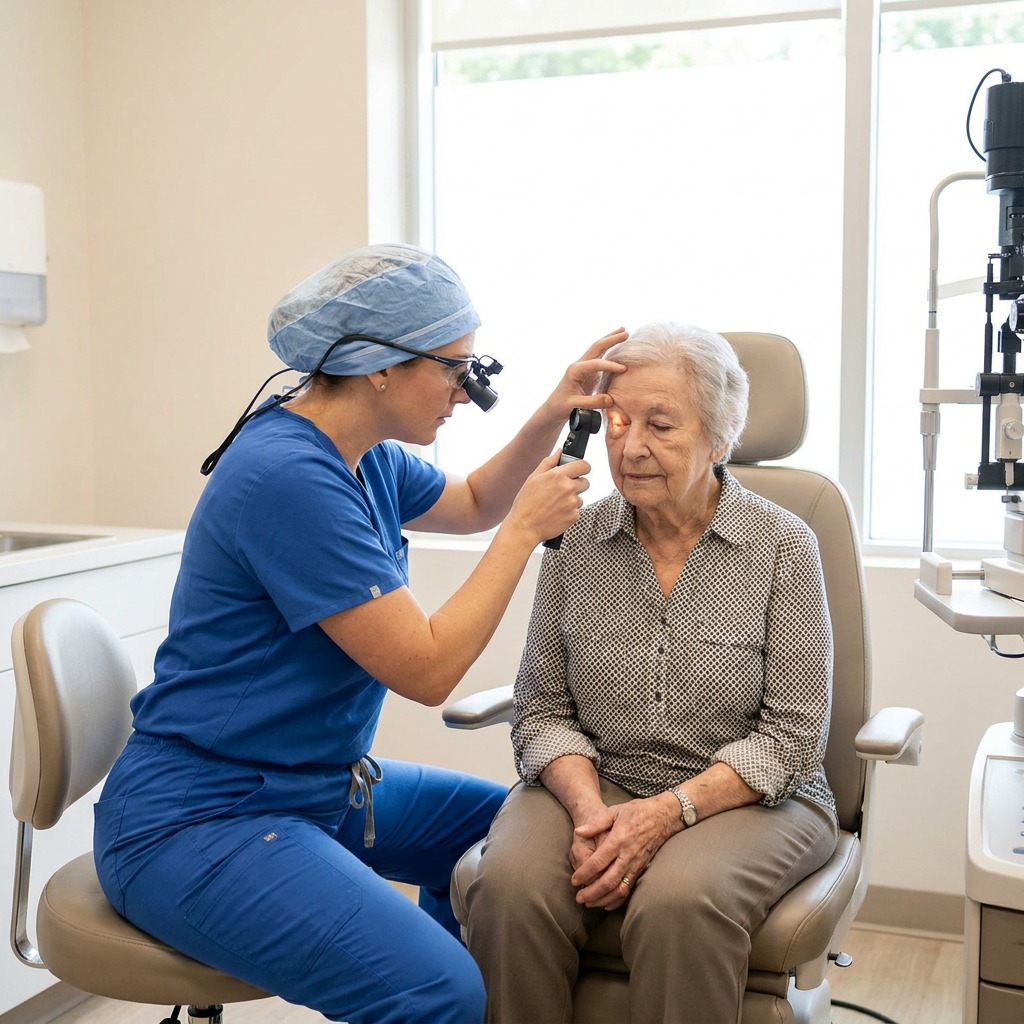
Our Copperas Cove optometrist takes the time to understand your symptoms, examine your eyes, and explain what may be causing the redness. Whether you're experiencing irritation, inflammation, or signs of an infection, we'll help determine the appropriate next steps for your eye health.

Visit Us Today

Visit Our Location
What Causes Red Eyes?
Red eyes occur when blood vessels on or near the eye's surface become more noticeable or enlarged. This can happen for several reasons, ranging from temporary irritation to infections, inflammation, or other eye conditions.
Sometimes redness affects only one eye. Other times, both eyes become red or irritated. You may also experience itching, burning, tearing, discharge, light sensitivity, or vision changes.
The appearance of your eyes alone isn't always enough to determine the cause. A professional examination can help identify what's contributing to your symptoms and whether treatment is necessary.
When Should You See an Eye Doctor for Red Eyes?
Not every case of eye redness is an emergency, but persistent or unexplained symptoms deserve attention. Contact an eye care professional if you experience:
- Redness that persists, worsens, or repeatedly returns.
- Eye pain, burning, or significant discomfort.
- Unusual discharge or crusting around your eyelids.
- Redness accompanied by blurry or fluctuating vision.
- Light sensitivity or difficulty keeping your eye open.
- Swelling around your eye or eyelids.
- Redness or irritation while wearing contact lenses.
- A red eye following an injury or exposure to an irritating substance.
Common Conditions That Can Cause Red Eyes
Several conditions can cause redness, irritation, and discomfort. Although their symptoms may overlap, they may require different treatment approaches.
Conjunctivitis (Pink Eye)
Conjunctivitis occurs when the conjunctiva, the thin membrane covering the white part of the eye and lining the inside of the eyelids, becomes inflamed. Viruses, bacteria, or allergies can cause pink eye. Symptoms can include redness, tearing, irritation, and discharge.
Dry Eye Disease
Dry eye occurs when your eyes don't produce enough tears or when the tear film doesn't adequately lubricate the eye's surface. Symptoms may include redness, burning, grittiness, fluctuating vision, or excessive watering. VIEW Cove offers dry eye treatment based on individual symptoms and examination findings.
Eye Allergies
Allergic conjunctivitis can occur when the eyes react to substances such as pollen, dust, or pet dander. Itching is common, often accompanied by redness, watering, and irritation in both eyes.
Treatment may involve reducing allergen exposure and using appropriate medications or eye drops, depending on your symptoms.
Blepharitis
Blepharitis is inflammation of the eyelid margins. It may cause redness, itching, crusting around the eyelashes, and a burning or gritty sensation. The condition can be associated with changes in eyelid bacteria, skin conditions, or dysfunction of the oil-producing glands along the eyelids.
Management depends on the underlying factors and may involve eyelid hygiene, medication, or other recommended care.
Corneal Abrasions and Irritation
A corneal abrasion is a scratch on the eye's clear front surface. It can happen when something brushes against the eye or when debris becomes trapped beneath an eyelid.
Symptoms may include redness, tearing, pain, light sensitivity, and the sensation that something is still in your eye. Because corneal damage can increase the risk of infection or other complications, prompt evaluation is important.
Contact Lens-Related Inflammation or Infection
Contact lenses sit directly on the eye's surface, so improper lens care, overwear, or other complications can contribute to irritation and infection. If your eye becomes red or painful while wearing contacts, remove the lenses safely and avoid wearing them until you've received professional advice. Redness accompanied by pain, light sensitivity, or blurry vision in a contact lens wearer requires prompt evaluation because some corneal infections can progress quickly.
Treatment Options for Red Eyes
Red eye treatment depends on the cause of the redness. A treatment that helps one condition may be ineffective or inappropriate for another.
For example, bacterial infections may require prescription antibiotic medication, while viral conjunctivitis is generally managed with supportive care unless complications develop.
Allergic eye symptoms may improve with appropriate allergy treatments, while dry eye treatment focuses on factors affecting the tear film and ocular surface.
If redness is caused by injury, inflammation, or a more serious eye condition, you may need additional treatment or specialist evaluation. At VIEW Cove, we focus on understanding the cause of your symptoms before recommending a treatment plan.
What Should You Do If Your Eyes Are Red?
If your eyes become red or irritated, a few precautions may help prevent further discomfort while you arrange appropriate care.
- Avoid rubbing your eyes.
- Stop wearing contact lenses if you develop redness or discomfort.
- If you have discharge, wash your hands and avoid sharing towels or eye makeup.
- Don't use leftover prescription eye drops or someone else's medication.
- Over-the-counter redness-relieving drops may cause rebound redness with repeated use.
If your symptoms persist, are painful, or are accompanied by vision changes, seek professional evaluation rather than relying on self-treatment.
For chemical exposure, begin flushing the eye immediately with clean running water or saline for at least 20 minutes while arranging emergency medical care.
Frequently Asked Questions
Is Every Red Eye a Sign of Pink Eye?
No. Redness can occur with several conditions, including dry eye, allergies, eyelid inflammation, corneal injuries, and other eye problems. An examination can help determine the cause.
Can an Optometrist Treat Pink Eye?
Optometrists can evaluate and manage many forms of conjunctivitis within their scope of practice. Treatment depends on the cause and severity. Some patients may require referral for specialized care.
Do I Need Antibiotics for Red Eyes?
Not necessarily. Antibiotics don't work against viruses or allergies, and many causes of eye redness don't require them. Your optometrist can determine whether prescription medication may be appropriate.
Should I Wear Contact Lenses If My Eyes Are Red?
Stop wearing contact lenses if you develop unusual redness, pain, or irritation. Contact lens-related complications can sometimes involve serious corneal infections, so prompt professional evaluation is important.
When Is a Red Eye an Emergency?
Seek immediate medical attention for sudden vision loss, severe pain, significant light sensitivity, penetrating injuries, or chemical exposure. Redness accompanied by pain or vision changes may also require urgent assessment.
Does VIEW Cove Offer Same-Day Red Eye Appointments?
If you're experiencing red eye symptoms during regular office hours, call VIEW Cove promptly. Our team can discuss your concerns and advise you on the appropriate next steps. Same-day appointment availability is not guaranteed.


Don't Guess What's Causing Your Red Eyes
Redness, irritation, and discomfort can have several possible causes, and the right care starts with understanding what's happening. At VIEW Cove, we provide personalized eye evaluations and clear recommendations based on your symptoms and eye health. If you're dealing with red eyes, contact our team during office hours to discuss the appropriate next step.