

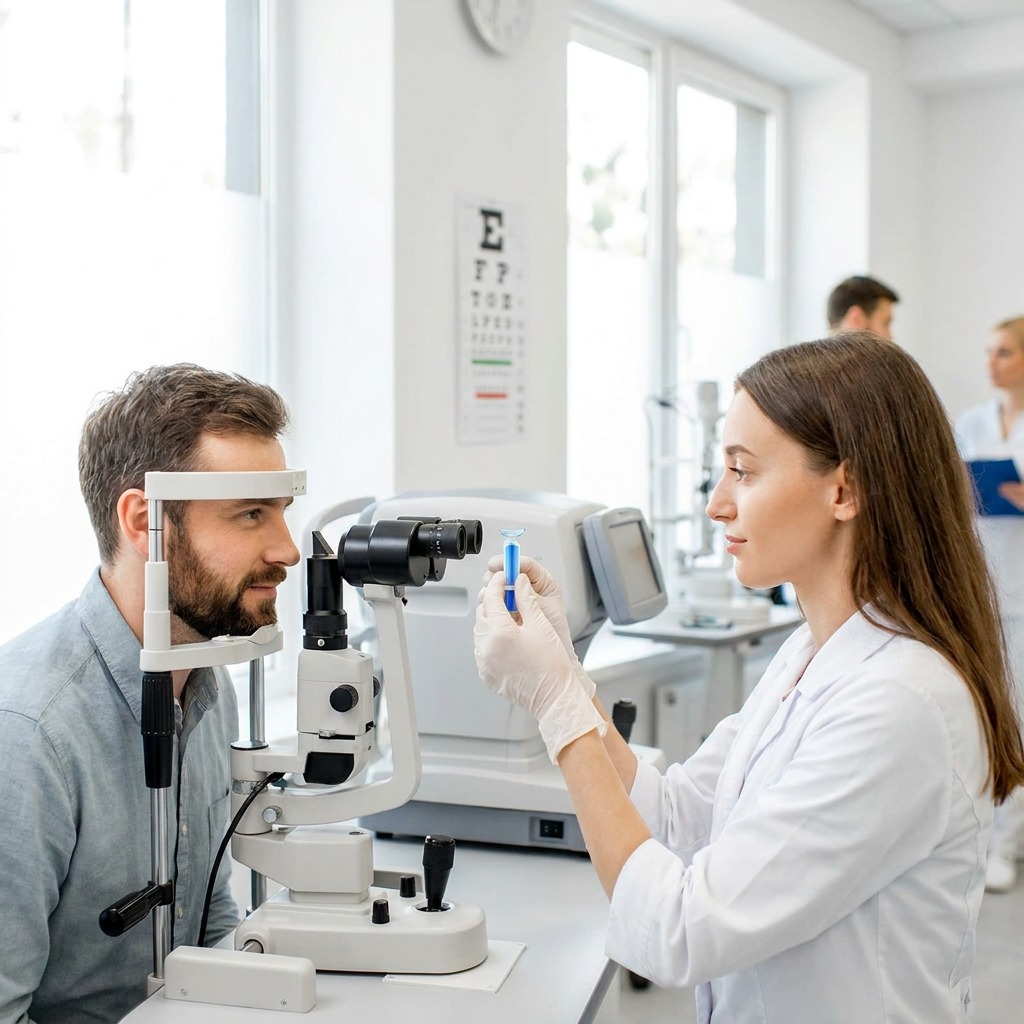
Annual Eye Exams in Copperas Cove, TX
Your eyes do a lot for you every day. At VIEW Cove, our comprehensive eye exams look beyond your prescription to assess your eye health, address visual concerns, and help you make informed decisions about your vision.
Going Beyond Just a Vision Test
Clear vision matters, but it’s only one part of your eye health. Even if your glasses still seem to work well, changes in your eyes can develop without obvious symptoms. At VIEW Cove, we take the time to understand how you use your vision, whether you’re working at a computer, driving, studying, or enjoying your favorite activities. Our Copperas Cove optometrist evaluates your eyesight and eye health, explains the findings, and recommends care based on your individual needs.

Visit Us Today
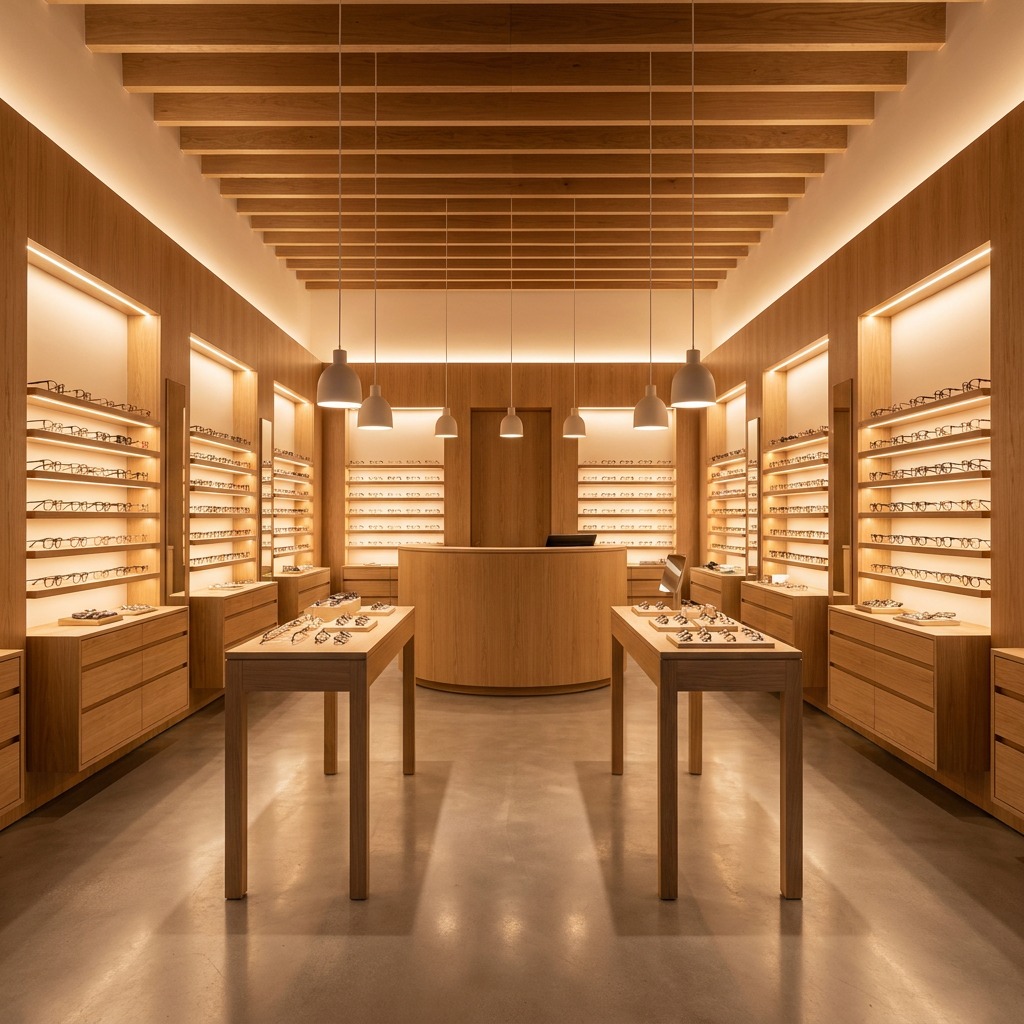
Visit Our Location
Why Are Annual Eye Exams Important?
Your eyesight can change gradually, making it difficult to notice when your prescription needs updating. Some eye conditions can develop before you notice symptoms. Routine eye exams give your optometrist an opportunity to evaluate your vision, monitor your eye health, and look for signs of conditions that may require further attention.
An eye exam can also help identify possible reasons for blurry vision, eye strain, headaches, or difficulty focusing. These symptoms can have several causes, so a thorough evaluation is important for determining whether your eyes may be contributing.
Even when your vision feels comfortable, regular examinations can provide useful information about your eye health and help you plan for ongoing care.
What Happens During a Comprehensive Eye Exam?
A comprehensive eye exam involves more than reading letters on an eye chart. We evaluate different aspects of your vision and eye health to better understand how your eyes are functioning. Your examination will be based on your age, medical history, symptoms, and individual needs. It may include:
- Visual acuity: Measuring how clearly you see at different distances.
- Prescription assessment: Checking for nearsightedness, farsightedness, astigmatism, and other vision correction needs.
- Eye pressure measurement: Assessing a factor associated with certain forms of glaucoma.
- Eye coordination and focusing: Evaluating how your eyes work together and adjust between viewing distances.
- Eye health evaluation: Examining structures such as the cornea, lens, retina, and optic nerve.
- Additional testing: Assessing specific concerns or risk factors when clinically appropriate.
We’ll also discuss your medical history, current medications, family eye health history, and any changes you’ve noticed in your vision. After your exam, our eye doctor will explain the results and discuss whether updated glasses, contact lenses, treatment, or follow-up care may be appropriate.
What Can an Eye Exam Tell You About Your Eye Health?
Your eyes can provide important information about your vision and overall health. During a comprehensive examination, your optometrist looks for changes that may affect how your eyes function now or in the future.
Some findings may involve your prescription or visual comfort, while others may indicate an eye condition that requires monitoring or treatment.
Changes in Your Prescription
Nearsightedness, farsightedness, astigmatism, and presbyopia can affect how clearly you see at different distances. If your current glasses no longer meet your needs, an updated prescription or different lens design may help improve your visual comfort.
Signs of Eye Disease
Certain eye conditions can develop without obvious symptoms, particularly in their early stages.
A comprehensive examination can help identify signs of conditions such as glaucoma, cataracts, and macular degeneration. Depending on the findings, your optometrist may recommend additional testing, monitoring, treatment, or referral to a specialist.
Visual Comfort and Eye Function
Clear vision doesn’t always mean comfortable vision. If your eyes feel tired after reading, your vision fluctuates throughout the day, or you struggle to focus during certain activities, your optometrist can evaluate possible contributing factors. For patients experiencing persistent burning, irritation, or dryness, we also offer dry eye treatment based on individual examination findings.
How Often Should You Have an Eye Exam?
The right examination schedule depends on your age, eye health, medical history, and risk factors. Annual eye exams are a useful routine for many patients, particularly those who wear corrective lenses, have existing eye conditions, or need regular monitoring. However, some people may require more frequent visits, while others may have different recommendations based on their circumstances.
Signs It May Be Time for an Eye Exam
You don’t have to wait until your vision becomes noticeably blurry to schedule an appointment.
Changes in your eyesight or visual comfort may be reasons to have your eyes examined, especially when symptoms persist or interfere with everyday activities.
Some signs to discuss with your optometrist include:
- Blurry vision at near or far distances.
- Squinting to see objects more clearly.
- Frequent headaches during visually demanding activities.
- Eye strain or discomfort after reading or screen use.
- Difficulty focusing when switching between distances.
- Increased sensitivity to glare or difficulty seeing at night.
- Dry, irritated, or watery eyes.
- Frequent changes in your glasses or contact lens prescription.
Eye Exams for Different Vision Needs
Your daily activities, age, and health history can influence what you need from an eye examination. At VIEW Cove, we consider these factors when evaluating your vision and recommending appropriate care.
Eye Exams for Children
Children’s visual needs change as they grow. Comprehensive pediatric eye exams help assess developing vision, eye alignment, focusing ability, and eye health.
Eye Exams for Older Adults
As we age, certain eye conditions become more common, and our vision needs may change.
Our senior eye exams focus on age-related eye health concerns, changing prescriptions, and visual comfort during everyday activities.
Contact Lens Exams
If you wear contact lenses or want to try them, you’ll need more than a standard glasses prescription. A contact lens exam includes additional evaluations and measurements to help determine the right lens type, prescription, and fit for your eyes.
Frequently Asked Questions
Do I Need an Eye Exam If I Can See Clearly?
Yes, routine eye exams can still be valuable. Some eye conditions develop without noticeable symptoms, and a comprehensive examination evaluates more than your ability to read an eye chart.
Is a Vision Screening the Same as a Comprehensive Eye Exam?
No. Vision screenings generally assess a limited range of visual abilities, often focusing on distance vision. Comprehensive eye exams evaluate your prescription, eye health, and other aspects of visual function.
Will My Eyes Be Dilated During the Exam?
Your optometrist may recommend dilation to allow a more detailed examination of certain internal eye structures. Your optometrist will determine whether it’s appropriate and explain what to expect, including any temporary effects on your vision.
What Happens If My Eye Doctor Finds a Problem?
Your optometrist will explain the findings and discuss appropriate next steps. Depending on the concern, these may include monitoring, treatment, additional testing, or referral to another eye care professional.


Your Vision Deserves More Than a Quick Check
Whether you’re updating your prescription, experiencing changes in your eyesight, or keeping up with routine care, VIEW Cove is here to help you understand your vision and eye health. Schedule your next eye exam and let’s take a closer look at your eyes together.