

Custom-Fit Glasses in Copperas Cove, TX
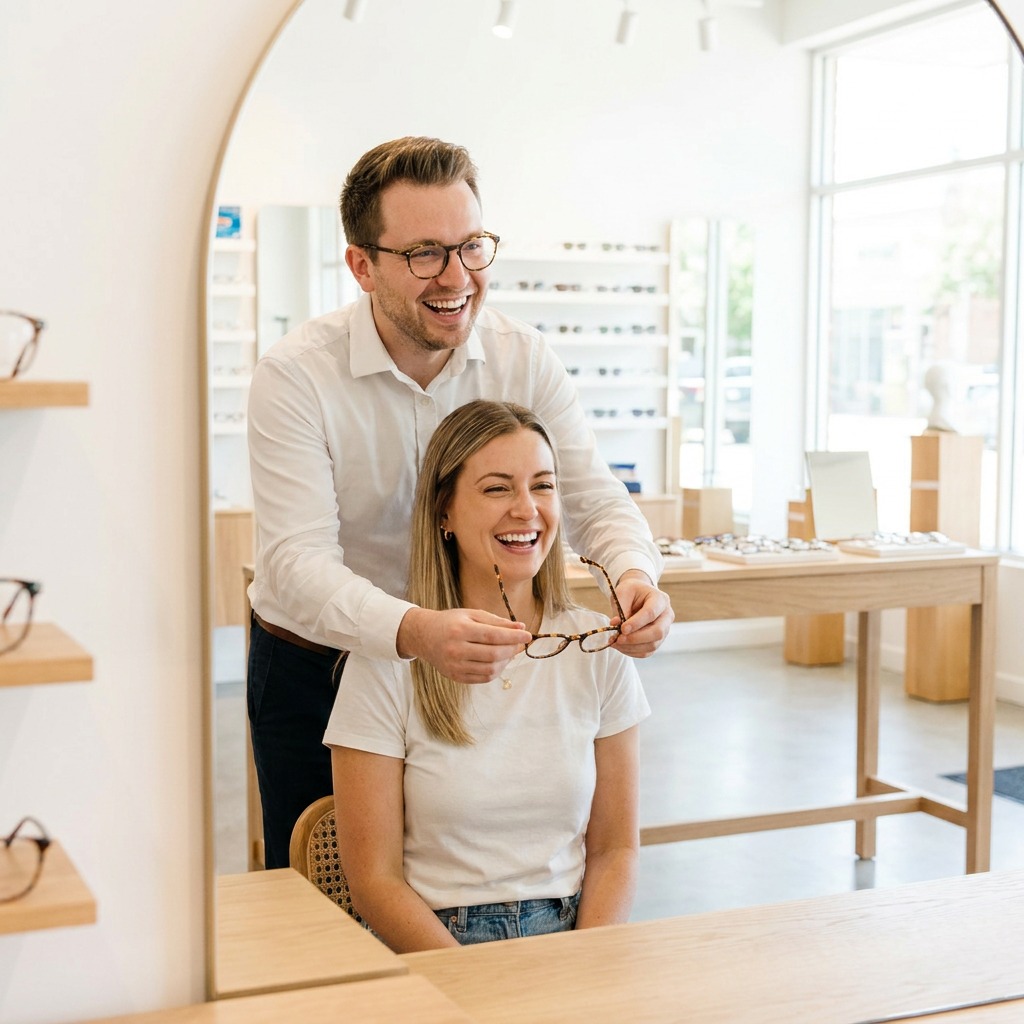
Your glasses should fit comfortably, support your vision, and feel right for your everyday life. At VIEW Cove, our optical team helps you choose frames and prescription lenses suited to your needs, with personalized measurements and adjustments for a comfortable fit.
Glasses That Feel as Good as They Look
A frame might look great when you try it on, but how it fits and works with your prescription matters just as much. Glasses that slide down your nose, pinch behind your ears, or sit incorrectly can become frustrating to wear all day.
Our Copperas Cove optical team considers your prescription, facial features, and daily activities when helping you choose eyeglasses. We explain your frame and lens options, take appropriate measurements, and make adjustments to help your glasses fit comfortably and function as intended.

Visit Us Today

Visit Our Location
Why Does Proper Eyeglass Fitting Matter?
Even with an accurate prescription, glasses that don't fit correctly may be uncomfortable or affect how you look through your lenses. For example, frames that sit too low or slide out of position can change where your eyes look through the lenses. This may be particularly noticeable with progressive or other multifocal lenses. A proper fitting considers several factors:
- Frame width: How the frame fits across your face without excessive pressure or looseness.
- Bridge fit: How comfortably and securely the frame rests on your nose.
- Temple length: How the arms extend toward and fit around your ears.
- Lens positioning: How the lenses align with your eyes and prescription requirements.
- Frame adjustments: Changes to the frame's fit to improve comfort and stability.
- Daily use: How your eyewear supports activities such as reading, driving, working, or spending time outdoors.
Not every frame works equally well with every prescription or facial structure. Personalized optical guidance can help you narrow down the options.
Types of Prescription Lenses
Different prescriptions and daily activities call for different lens designs.
Single-Vision Lenses
Single-vision lenses provide one prescription power throughout the lens. They're commonly used to correct nearsightedness, farsightedness, or astigmatism and may be prescribed for distance or near vision. These lenses can be appropriate for everyday glasses, reading glasses, or other specific visual tasks.
Bifocal Lenses
Bifocal lenses contain two distinct prescription areas, typically one for distance vision and another for near vision. They may be recommended for patients who need different levels of correction for activities such as driving and reading. The visible dividing line between the lens sections helps distinguish the two viewing areas.
Progressive Lenses
Progressive lenses provide a gradual change in prescription power for different viewing distances without a visible dividing line. They may help patients who need correction for distance, intermediate, and near vision. Proper frame selection, lens measurements, and fitting are especially important with progressive lenses because the position of the viewing zones affects how comfortably you use them.
Occupational and Computer Lenses
Some patients benefit from lenses designed for particular working distances, such as computer screens, desks, or other near and intermediate tasks. These lenses may provide a wider usable viewing area for specific activities than general-purpose multifocal lenses. They aren't necessarily suitable for every task, including driving, so your optical team can explain when a separate pair may be useful.
How Do You Choose the Right Lens Material?
Lens materials can affect thickness, weight, durability, and optical performance. The right choice depends on your prescription, frame selection, activities, and preferences.
- Standard Plastic Lenses: Standard plastic lenses are a common option. They offer good optical performance and come with different coatings and treatments.
- Polycarbonate Lenses: Polycarbonate lenses are lightweight and more impact-resistant than standard plastic lenses. They may be considered for children's eyewear, certain active lifestyles, or situations where impact resistance is important.
- Trivex Lenses: Trivex is a lightweight lens material known for its impact resistance and optical properties. It may be an option for patients who want durable, lightweight lenses.
- High-Index Lenses: High-index materials can allow certain prescriptions to be made with thinner lenses than conventional materials. They may be especially useful for patients with stronger prescriptions who want thinner lenses.
Lens Coatings & Features
Lens coatings and treatments can provide additional benefits depending on how and where you wear your glasses.
Anti-Reflective Coatings
Anti-reflective coatings reduce reflections from the front and back surfaces of eyeglass lenses. They may improve the appearance of lenses and reduce distracting reflections during certain activities, including nighttime driving and screen use.
Scratch-Resistant Coatings
Scratch-resistant coatings help make lenses more resistant to everyday surface scratches.
They don't make lenses scratch-proof, so proper cleaning and storage remain important.
Photochromic Lenses
Photochromic lenses change tint in response to ultraviolet light and, depending on the product, other lighting conditions. They can provide a convenient option for patients who move between indoor and outdoor environments.
Polarized Lenses
Polarized lenses help reduce certain types of reflected glare, such as light bouncing off water, roads, or other horizontal surfaces. They can be useful for outdoor activities and daytime driving.
UV Protection
UV-blocking lenses help reduce exposure to ultraviolet radiation. UV protection is important for outdoor eyewear, whether the lenses are clear or tinted. Your optical team can help you choose lens options that provide appropriate UV protection.
Blue-Light Filtering Lenses
Some lenses are designed to filter portions of blue light emitted by digital screens and other light sources. However, current evidence doesn't establish that blue-light filtering glasses reliably prevent digital eye strain or protect against screen-related eye damage.
Frequently Asked Questions
Do I Need an Eye Exam Before Getting New Glasses?
You'll need a current, valid prescription to order prescription glasses. If your prescription is outdated or you've noticed changes in your vision, a comprehensive eye exam can help determine whether you need an update.
Are Progressive Lenses Better Than Bifocals?
Neither option is automatically better for everyone. Progressive lenses provide a gradual change in prescription power without a visible line, while bifocals have distinct viewing areas. The best choice depends on your prescription, visual needs, and preferences.
Can Strong Prescriptions Be Made with Thinner Lenses?
High-index lenses may reduce thickness for certain prescriptions. Frame size, shape, and prescription strength also influence how thick the finished lenses appear.
Can My Glasses Be Adjusted If They Feel Too Tight or Loose?
Many frames can be adjusted to improve fit, depending on their material, construction, and condition. An optician can assess whether adjustments are appropriate.
How Do I Know Which Lens Coatings I Need?
The right lens features depend on your daily activities, prescription, and preferences. Your optical team can explain the available options and help you decide which features may be useful.

Let's Find Glasses That Work for You
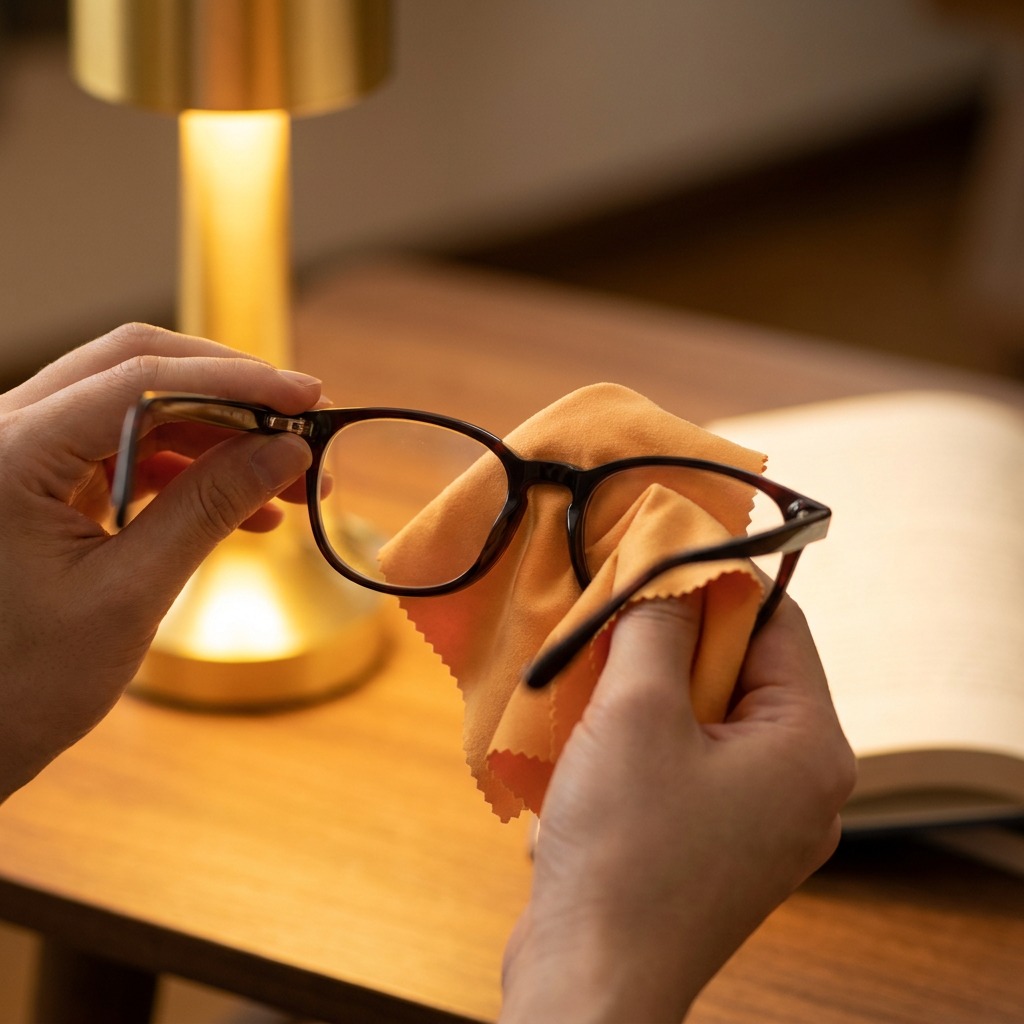
The right glasses should support your vision without becoming a distraction throughout your day. At VIEW Cove, our optical team helps you explore frames, understand your lens options, and find a fit that feels comfortable and suits your style. Visit us in Copperas Cove for personalized guidance for your next pair of glasses.