
Eye Exams for Kids in Copperas Cove, TX
Your child's vision plays an important role in how they learn, play, and experience the world. VIEW Cove provides comprehensive eye exams that support healthy visual development and help children see comfortably as they grow.
Their Eyes Need More Than a Vision Screening
Children rely on their vision for everything from recognizing faces and reading books to participating in classroom activities and sports. But they may not always realize when something about their eyesight isn't quite right.
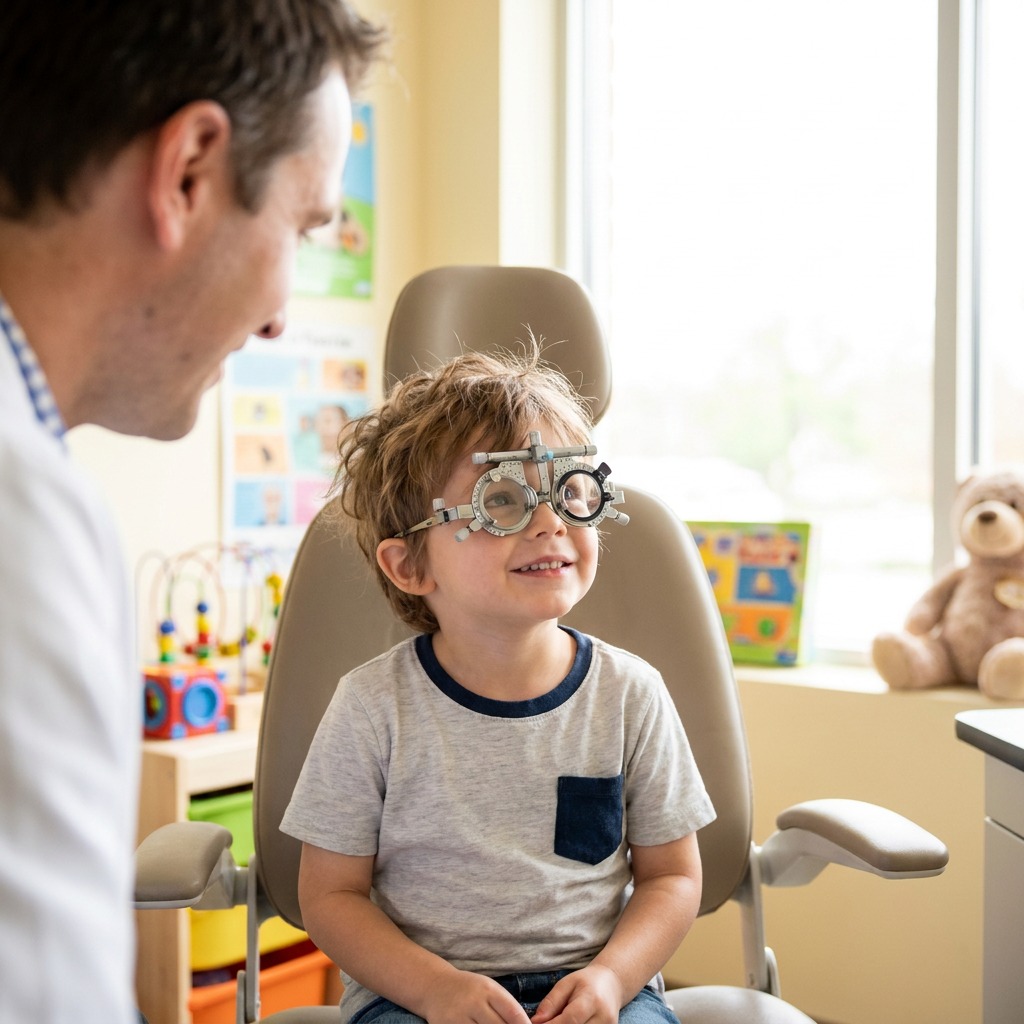
Our pediatric eye exams look beyond whether your child can read an eye chart. We evaluate their eyesight, eye health, focusing ability, and how well their eyes work together. Our Copperas Cove eye doctor takes a personalized approach to children's eye care, helping parents understand their child's visual development and any recommendations for their ongoing care.
Visit Us Today
Visit Our Location
Why Are Pediatric Eye Exams Important?
Children's eyes and visual abilities develop throughout childhood. During these years, changes in their vision may affect how comfortably they read, learn, play, and participate in everyday activities.
Some children have difficulty recognizing or explaining vision problems, especially if they've never experienced clear vision. Others may compensate for blurry eyesight without realizing anything is unusual.
Pediatric eye exams help identify refractive errors, evaluate eye health, and assess important visual skills. Finding concerns early can create opportunities for appropriate treatment or monitoring while your child's visual system is still developing.
What Happens During a Children's Eye Exam?
An eye exam evaluates more than how clearly your child sees. Depending on their age, development, and individual needs, we may assess several aspects of their vision and eye health. These may include:
- Visual acuity: How clearly your child sees at different distances.
- Refractive error: Whether nearsightedness, farsightedness, or astigmatism is affecting their eyesight.
- Eye alignment: How well both eyes point toward the same target.
- Eye teaming: How effectively the eyes work together.
- Focusing ability: How well your child adjusts their focus between near and distant objects.
- Eye health: The condition of the eyes and their internal structures.
We adapt the examination to your child's age and ability to participate. Afterward, we'll explain the findings and discuss whether glasses, additional testing, or follow-up care may be appropriate.
How Do You Know If Your Child Needs an Eye Exam?
Children don't always complain about blurry vision. Some assume everyone sees the way they do, while others find ways to work around visual difficulties. Although these behaviors don't necessarily indicate an eye condition, they can be reasons to arrange a comprehensive examination. Signs worth discussing with your optometrist include:
- Squinting or closing one eye to see more clearly.
- Sitting unusually close to screens or holding books close to the face.
- Frequent eye rubbing or complaints of tired eyes.
- Headaches or discomfort during reading and other close-up activities.
- Losing their place while reading or avoiding visually demanding tasks.
- Tilting their head or turning their face to look at objects.
- One eye appearing to turn inward or outward.
- Complaints of blurry or double vision.
When Should Children Have Their Eyes Examined?
Children can benefit from professional eye examinations before they begin school, even when parents haven't noticed any problems.
The American Optometric Association recommends a comprehensive eye examination between 6 and 12 months of age, another between ages 3 and 5, and an examination before first grade. School-aged children generally benefit from annual examinations, although individual recommendations may vary.
Children with certain eye conditions, developmental concerns, family histories, or other risk factors may need examinations more frequently.
Common Vision Conditions in Children
Children can develop several conditions that affect how clearly or comfortably they see. Some involve the eye's ability to focus, while others affect eye alignment or visual development.
Nearsightedness (Myopia)
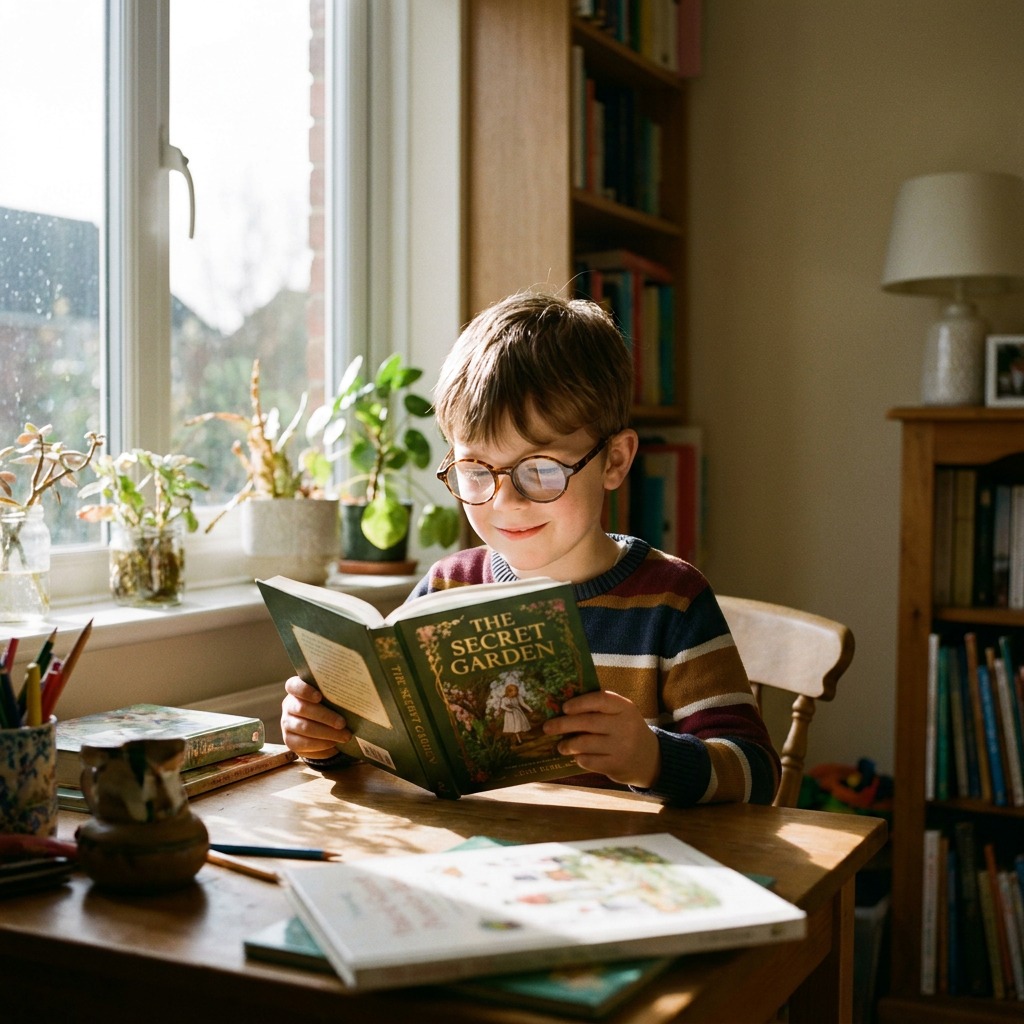
Myopia causes distant objects to appear blurry while nearby objects may remain clear. Children with myopia might struggle to see the classroom board or recognize objects across a room.
Because nearsightedness can progress during childhood, monitoring prescription changes is important. VIEW Cove also offers myopia management to help slow progression in eligible children.
Farsightedness (Hyperopia)
Farsightedness can make close-up tasks more difficult, although some children can compensate by using their focusing muscles. More severe farsightedness may contribute to blurry vision, eye strain, or eye alignment problems. An eye exam helps determine whether correction or monitoring is appropriate.
Astigmatism
Astigmatism occurs when the eye's optical surfaces focus light unevenly, which can cause blurred or distorted vision at different distances. Depending on its degree and your child's visual needs, we may recommend glasses or other vision correction.
Amblyopia (Lazy Eye)
Amblyopia develops when vision in one eye, or sometimes both eyes, doesn't develop as expected during childhood. It may occur alongside conditions such as unequal prescriptions or eye misalignment. Early identification is important because treatment is generally more effective while the visual system is developing.
Strabismus (Crossed or Misaligned Eyes)
Strabismus occurs when the eyes don't consistently point in the same direction. One eye may turn inward, outward, upward, or downward. Eye misalignment can affect visual development and may require glasses, other treatment, or referral to an appropriate specialist.
School Vision Screenings vs. Comprehensive Eye Exams
School vision screenings can help identify children who may have difficulty seeing at a distance, but they don't replace a comprehensive eye examination. A child may pass a screening and still have concerns involving focusing, eye alignment, eye health, or other aspects of visual function.
If your child passed a school screening but still experiences visual discomfort or difficulty with certain activities, a professional eye exam may help.
Frequently Asked Questions
Can My Child Have an Eye Exam If They Can't Read Yet?
Yes. Pediatric eye examinations can be adapted for children who don't yet recognize letters or read an eye chart. Your optometrist can use age-appropriate methods to assess vision and eye health.
Does My Child Need an Eye Exam If They Passed Their School Vision Screening?
Yes, comprehensive eye exams are still recommended. School screenings usually assess a limited range of visual skills and may not identify problems involving eye health, focusing, or eye alignment.
What If My Child Needs Glasses?
If your child needs vision correction, we'll explain their prescription and discuss appropriate lens options. Our team can also help you select comfortable, well-fitting children's glasses suited to their daily activities.

Give Their Eyes the Attention They Deserve
From their first classroom experiences to the busy teenage years, your child's vision needs can change as they grow. At VIEW Cove, we provide personalized pediatric eye care with clear explanations and thoughtful recommendations for parents. Schedule an appointment and let us help you stay informed about your child's vision and eye health.