


Myopia Management in Copperas Cove, TX
If your child's glasses prescription keeps getting stronger, you may be wondering what that means for their vision. VIEW Cove provides personalized myopia management to monitor nearsightedness and explore options that may help slow its progression as your child grows.
Helping You Understand Your Child's Changing Vision
Nearsightedness can make it difficult for children to see the classroom board, recognize objects in the distance, or participate comfortably in certain activities. Glasses can help them see more clearly, but they don't necessarily address how their myopia may change over time.
Our Copperas Cove optometrist evaluates your child's vision, monitors prescription changes, and discusses whether myopia management may be appropriate. We take the time to explain the findings and help families understand their options for supporting their child's long-term eye health.

Visit Us Today
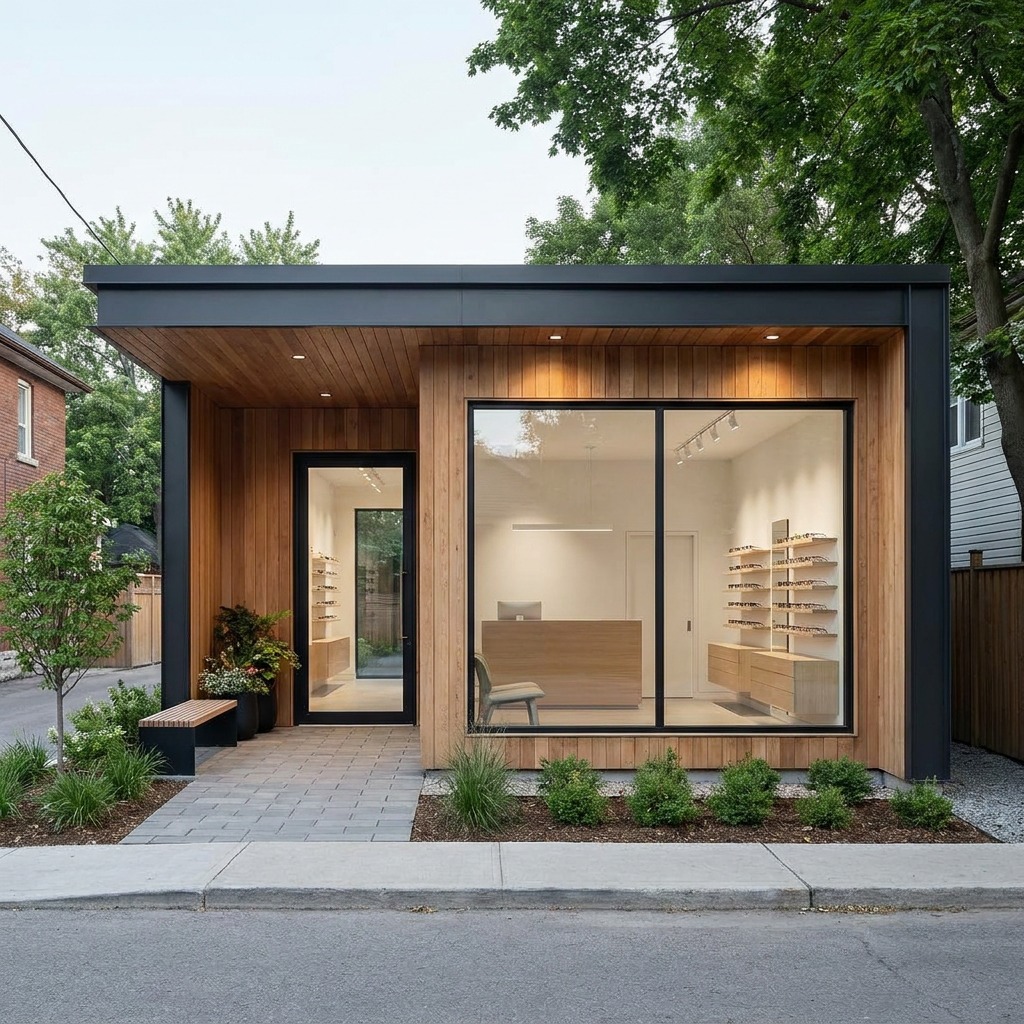
Visit Our Location
What Is Myopia?
Myopia, commonly called nearsightedness, is a refractive error that causes distant objects to appear blurry while nearby objects may remain clear. It occurs when light entering the eye focuses in front of the retina rather than directly on it. This often happens because the eye has grown longer than expected or because of differences in the eye's optical structures.
Myopia frequently develops during childhood and may progress as children grow. Some children experience relatively small prescription changes, while others become increasingly nearsighted over several years.
A comprehensive pediatric eye exam can identify myopia and help determine whether your child's prescription is changing.
What Are the Signs of Myopia in Children?
Children don't always recognize that their distance vision is blurry. They may assume everyone sees the same way or adapt their behavior without mentioning a problem.
Signs that may suggest nearsightedness include:
- Squinting to see distant objects more clearly.
- Difficulty reading the classroom board.
- Sitting close to televisions or other screens.
- Holding objects unusually close to their face.
- Complaints of blurry distance vision.
- Difficulty recognizing people or objects from far away.
- Frequent changes in their glasses prescription.
- Headaches or visual discomfort during certain activities.
These behaviors don't automatically mean your child has myopia. An eye examination can help determine whether nearsightedness or another condition may be affecting their vision.
Why Does Myopia Progress?
Myopia progression is often associated with changes in the length of the eye as a child grows.
As the eye lengthens, light focuses farther in front of the retina, increasing the correction needed to see distant objects clearly.
The rate of progression varies. Some children experience gradual changes, while others develop stronger prescriptions over a shorter period. Several factors may influence the development and progression of myopia, including genetics, age, and environmental influences.
Children with one or both parents who are nearsighted may have a higher likelihood of developing myopia. Research has also linked myopia to factors such as limited outdoor time and prolonged near work.
Managing Myopia at VIEW Cove
Myopia management involves monitoring nearsightedness and considering treatments intended to slow its progression in eligible children. Traditional glasses and contact lenses correct blurry distance vision, helping children see more clearly when they wear them. Myopia management goes a step further by addressing how quickly nearsightedness may worsen.
Depending on the child's age, prescription, eye health, and other factors, we may consider certain specialized lenses or medications. We evaluate each child's needs and discuss appropriate management options based on their examination findings and the services available.
Essilor Stellest™ Eyeglass Lenses
Stellest™ lenses are specially designed eyeglass lenses with optical features intended to slow myopia progression while correcting distance vision. These lenses differ from standard single-vision glasses, which primarily correct blurry vision.
MiSight® 1-Day Contact Lenses
MiSight® lenses are specifically designed to correct nearsightedness while helping slow myopia progression. These lenses use specialized optical designs that influence how light focuses within the eye. Contact lens suitability depends on factors such as age, eye health, handling ability, and willingness to follow safe lens care practices.
Low-Dose Atropine Eye Drops
Qualified eye care professionals sometimes prescribe low-dose atropine to help slow childhood myopia progression. The eye drops are generally used according to an individualized treatment plan, and their effectiveness and potential side effects depend on the concentration and other patient factors.
Orthokeratology (Ortho-K)
Orthokeratology uses specially designed rigid contact lenses worn during sleep to reshape the cornea temporarily. In suitable patients, these lenses can provide clearer daytime vision without glasses or daytime contact lenses and may help slow myopia progression.
How Do You Know If Your Child Is a Candidate?
Not every child with nearsightedness needs the same care approach. Myopia management may be worth discussing if your child develops nearsightedness at a young age, has experienced repeated prescription increases, or has other risk factors for progression.
Your optometrist will consider your child's age, prescription, eye health, and ability to participate in the recommended treatment. The goal is to make recommendations that reflect your child's individual needs rather than assuming every child requires the same treatment.
Frequently Asked Questions
Can Myopia Be Cured?
Myopia is generally not considered curable through current management methods. Glasses and contact lenses can correct blurry vision, while certain treatments may help slow progression. Individual results vary.
Does My Child Need Myopia Management If They Already Wear Glasses?
Not necessarily. Standard glasses correct nearsightedness but don't generally slow its progression. If your child's prescription is increasing, an evaluation can help determine whether myopia management may be appropriate.
At What Age Should Myopia Management Begin?
There isn't one age that's appropriate for every child. Myopia management is often considered during childhood when nearsightedness develops or progresses. Your optometrist can evaluate your child's age, prescription, and other factors to determine suitable options.
Is Myopia Management Safe for Children?
Several myopia management approaches have been studied in children, but each has its own benefits, limitations, and potential risks. Your optometrist can explain which options may be appropriate based on your child's eye health and individual needs.
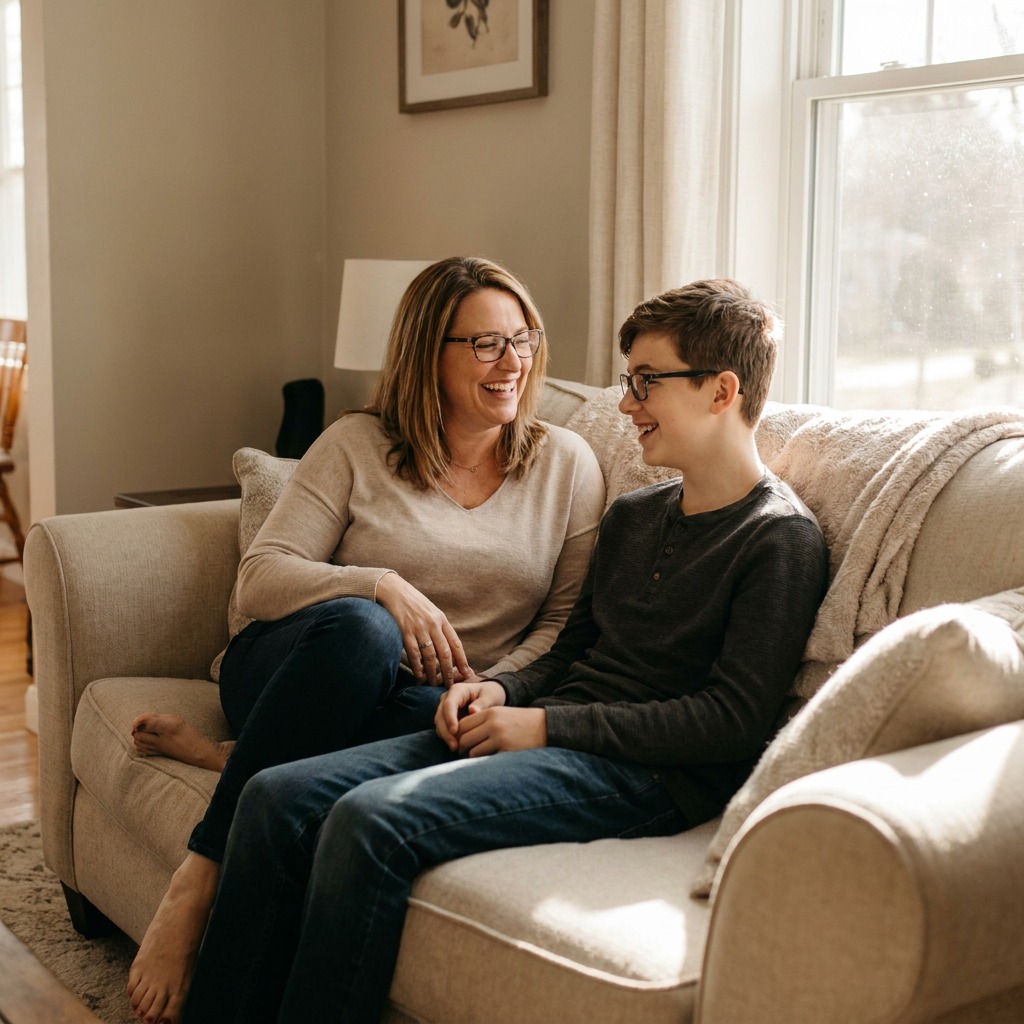

Let's Keep an Eye on Their Changing Vision
When your child's prescription keeps changing, it's natural to have questions about what comes next. At VIEW Cove, we take the time to evaluate their vision, explain how myopia may progress, and discuss management options suited to their needs. Schedule an appointment to learn more about your child's nearsightedness and long-term eye health.