

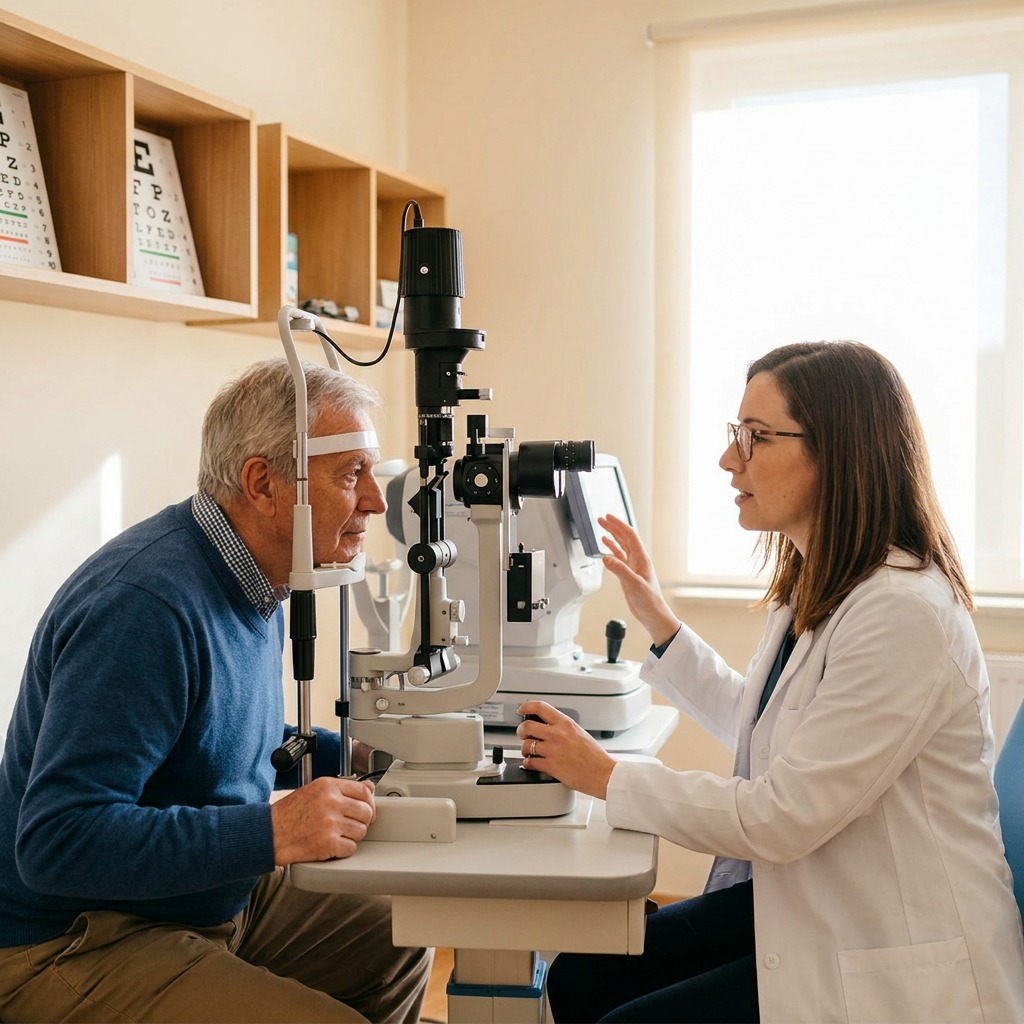

Senior Eye Exams in Copperas Cove, TX
Your vision needs can change with age, but staying informed about your eye health can help you continue enjoying the activities that matter. VIEW Cove provides senior eye exams with personalized attention to your vision, comfort, and long-term eye health.
Eye Care That Keeps Up with Changing Vision
Reading your favorite book, driving around town, or enjoying time with family all depend on comfortable, functional vision. As you get older, changes in your eyesight may affect these everyday activities, even when your current glasses seem to be working well.
Our Copperas Cove optometrist takes the time to understand your vision concerns, medical history, and daily needs. Our senior eye exams go beyond updating your prescription to evaluate your eye health, look for signs of age-related conditions, and help you understand your options for ongoing care.

Visit Us Today
Visit Our Location
Why Are Eye Exams Important for Seniors?
As we age, certain eye conditions become more common, and some develop gradually without noticeable symptoms. Routine eye exams let your optometrist evaluate your vision, assess your eye health, and identify concerns that may require treatment or further evaluation.
Even if your eyesight seems stable, changes can occur in the structures of your eyes before they affect how clearly you see. Eye exams can also help identify whether an updated prescription or different lens options may make everyday activities more comfortable.
At VIEW Cove, we help you understand your eye health and make informed decisions about your care, whether you're managing an existing condition or keeping up with routine examinations.
What Happens During a Senior Eye Exam?
A senior eye exam is a comprehensive evaluation of your eyesight and eye health, with additional attention to concerns that may become more common as you get older.
We will review your medical history, current medications, visual symptoms, and any changes you've noticed in your daily activities. Depending on your individual needs, your examination may include:
- Visual acuity: Checking how clearly you see at different distances.
- Prescription assessment: Determining whether glasses or contact lens changes could improve your vision.
- Eye pressure measurement: Assessing a factor associated with certain forms of glaucoma.
- Eye health evaluation: Examining structures such as the cornea, lens, retina, and optic nerve.
- Peripheral vision assessment: Checking side vision when clinically indicated.
- Eye coordination and focusing: Evaluating how your eyes work together and respond to different visual demands.
Common Age-Related Eye Conditions
Getting older doesn't automatically mean losing your vision. However, age can increase the likelihood of developing certain eye conditions, making regular examinations an important part of your overall healthcare.
Cataracts
Cataracts occur when the eye's natural lens becomes cloudy, which can gradually affect how clearly you see. You may notice blurry vision, increased glare, difficulty driving at night, or less vivid colors. VIEW Cove offers cataract co-management, including coordination with an ophthalmologist when surgery is recommended.
Glaucoma
Glaucoma is a group of eye conditions that damage the optic nerve, which carries visual information from your eyes to your brain. Many forms of glaucoma develop without noticeable symptoms in their early stages. Regular eye examinations can help identify signs of glaucoma and determine whether further testing or treatment is needed. Learn more about glaucoma treatment at VIEW Cove.
Age-Related Macular Degeneration
Age-related macular degeneration (AMD) affects the macula, the part of the retina responsible for detailed central vision. It can make activities such as reading, recognizing faces, or seeing fine details more difficult. Some forms progress slowly, while others may cause more rapid changes that require prompt specialist care. Early identification and appropriate monitoring can help guide treatment decisions and support ongoing eye health. Learn more about macular degeneration.
Diabetic Eye Disease
Diabetes can affect the small blood vessels in the retina, sometimes causing changes before vision problems become noticeable. Diabetic retinopathy is one potential complication, and people with diabetes may also have an increased risk of other eye conditions, including cataracts and glaucoma.
Dry Eye Disease
Dry eye becomes more common with age and may cause burning, irritation, fluctuating vision, or a gritty sensation. Changes in tear production, eyelid function, medications, and certain health conditions can contribute to symptoms. If dry eyes are affecting your comfort, VIEW Cove offers dry eye treatment options based on your symptoms and examination findings.
How Can Aging Affect Your Vision?
Not every change in your eyesight is caused by an eye disease. Some changes occur naturally as the eyes age and may be addressed through updated prescriptions, different lenses, or adjustments to your daily routine.
Presbyopia and Near Vision Changes
Presbyopia is a gradual loss of the eye's ability to focus on nearby objects. It commonly becomes noticeable in your 40s and continues to change over time. Reading glasses, bifocals, progressive lenses, and certain contact lenses may help, depending on your prescription and preferences.
Increased Sensitivity to Glare
Changes in the eye's natural lens and other structures can make bright lights or nighttime glare more bothersome. If headlights, sunlight, or reflections affect your comfort, an eye exam can help determine whether your prescription, cataracts, dry eye, or another factor may be contributing.
Changes in Contrast and Low-Light Vision
Some older adults notice that distinguishing objects in dim lighting becomes more difficult, even when their distance vision remains relatively clear. An exam can help determine whether these changes relate to normal aging, a need for vision correction, or an underlying eye condition.
How Often Should Seniors Have Eye Exams?
The appropriate examination schedule depends on your age, eye health, medical history, and individual risk factors. Many older adults benefit from comprehensive eye examinations at least once a year, particularly when managing chronic health conditions or monitoring existing eye concerns. Some patients may require more frequent visits based on their findings or treatment needs.
Our eye doctor in Copperas Cove can recommend an examination schedule suited to your circumstances. If you experience a sudden vision change, new flashes of light, a sudden increase in floaters, or significant eye pain, don't wait for your next routine appointment. These symptoms may require urgent professional assessment.
What If Your Eye Exam Reveals a Medical Concern?
Finding signs of an eye condition doesn't always mean you'll need immediate treatment. Some conditions can be monitored, while others may require medication, additional testing, or specialist care.
Dr. Micheline D. Young is an optometrist with long experience diagnosing and managing ocular disease. We provide medical eye care and coordinate with ophthalmologists or other healthcare professionals when appropriate.
If surgical treatment is recommended, services such as cataract co-management can help coordinate aspects of your care before and after the procedure.
Frequently Asked Questions
Do I Need an Eye Exam If My Vision Hasn't Changed?
Yes. Some eye conditions, including certain forms of glaucoma and diabetic eye disease, may develop without noticeable early symptoms. Comprehensive examinations assess both your eyesight and the health of your eyes.
Can an Eye Exam Detect Cataracts?
Yes. Your optometrist can examine the eye's natural lens for signs of cataracts and assess whether they are affecting your vision. If surgery becomes appropriate, VIEW Cove can help coordinate cataract co-management.
Can Senior Eye Exams Help with Night Driving Difficulties?
An eye exam can help identify potential contributors to nighttime vision difficulties, including prescription changes, cataracts, and certain other eye conditions. Recommendations depend on the cause of your symptoms.
Will I Need to See an Ophthalmologist?
Not necessarily. Your optometrist can evaluate and manage many vision and eye health concerns. If your condition requires surgical treatment or specialist evaluation, Dr. Young can help coordinate appropriate care.
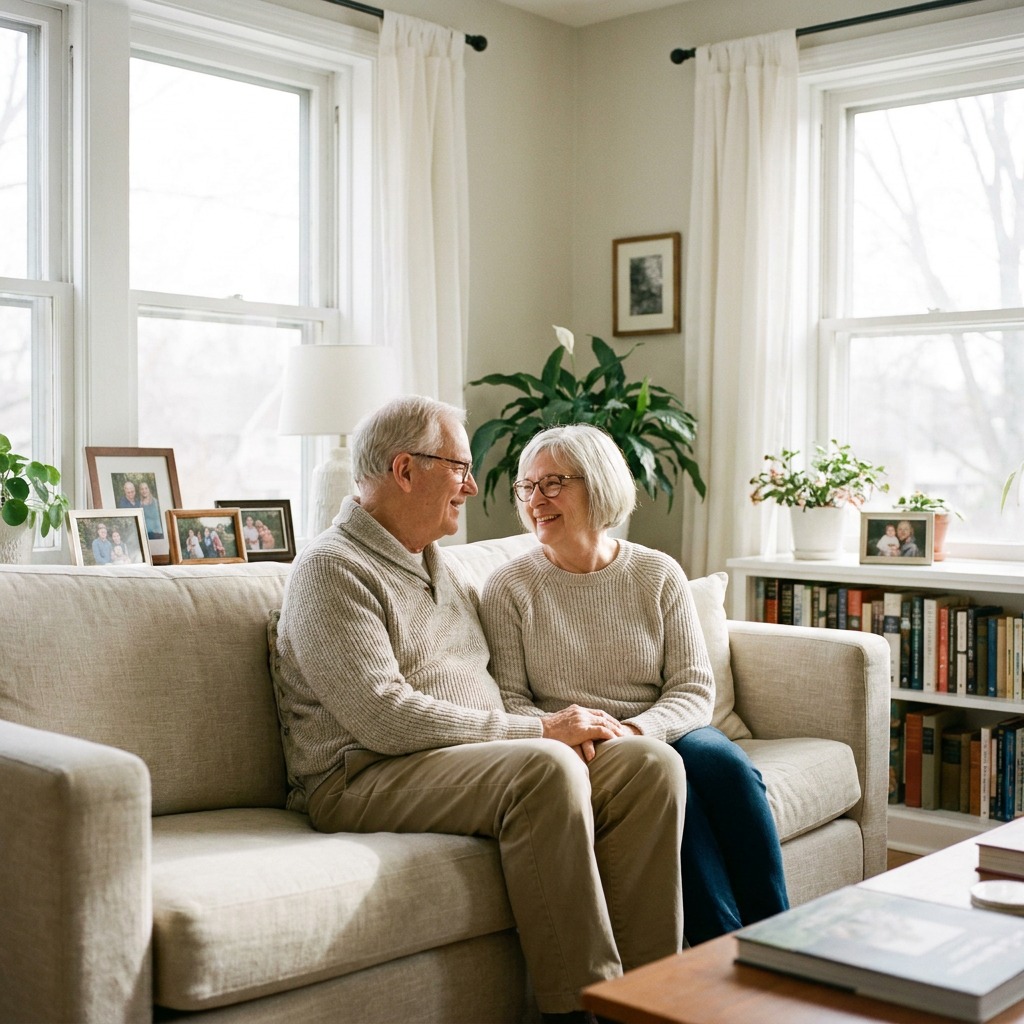

Eye Care That Fits Your Life
Whether you're keeping up with routine eye exams, noticing changes in your vision, or managing an existing eye condition, VIEW Cove is here to help you stay informed about your eye health. Dr. Micheline D. Young provides thoughtful, personalized care with recommendations based on your individual needs. Schedule your senior eye exam and let's talk about what matters most to your vision.